Watches, bags and luxury goods, judged on merit
Edition 01 / Women's luxury
The considered edit
Luxury is in the details.
A clear-eyed guide to women's watches, leather goods and the construction behind the objects worth keeping.
01 Materials
02 Provenance
03 Longevity

Portrait 01
Black clutch, Toronto International Film Festival
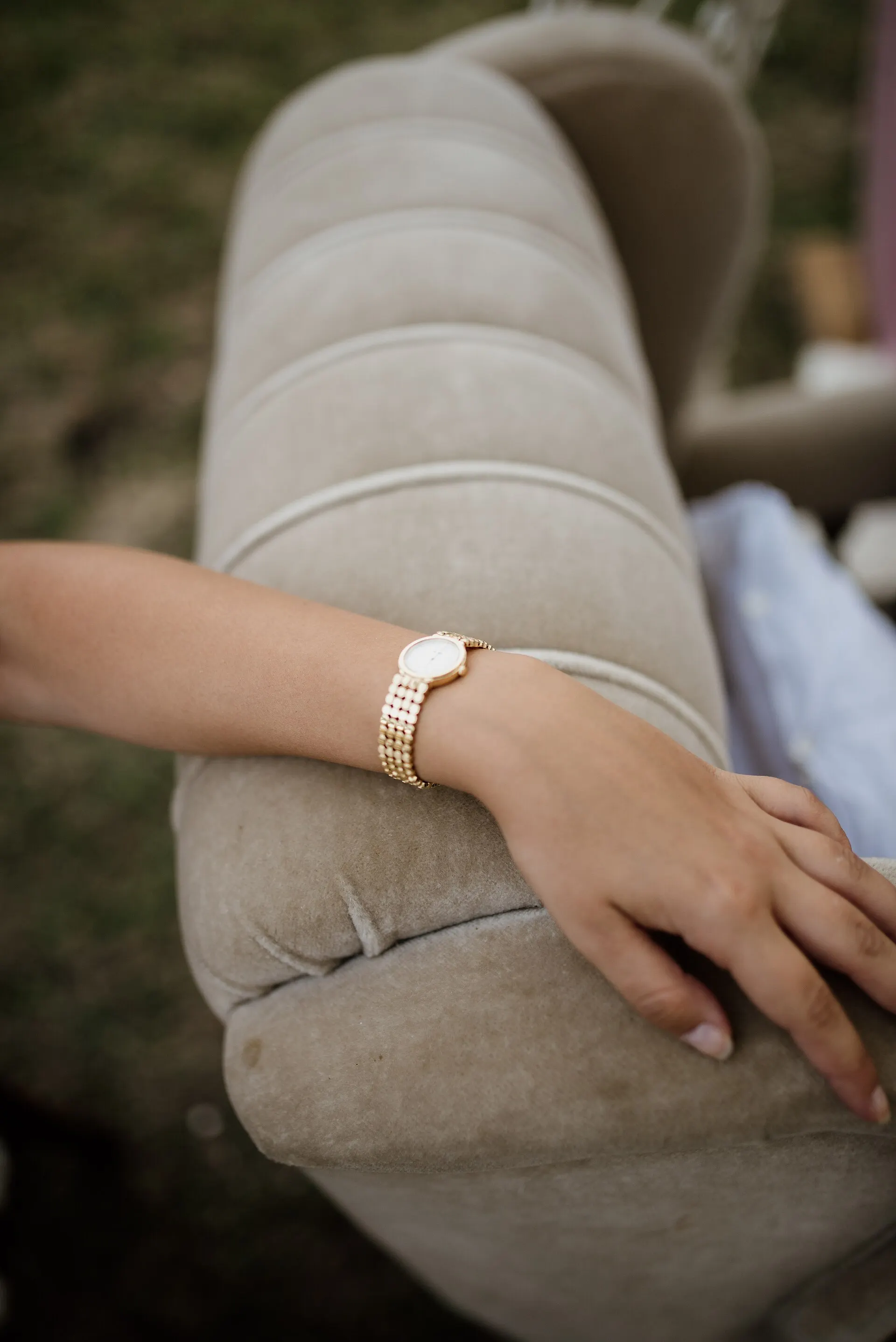
A considered edit of women's watches and bags
Three practical guides to proportion, leather and the details that make a luxury object comfortable to use and worth keeping.
Women's Watches: Proportion, Presence and What to Check
Published September 30, 2026
Case size alone tells you little. How to judge a women's watch by lug-to-lug, shape, thickness, movement, plating, bracelet and serviceability before buying.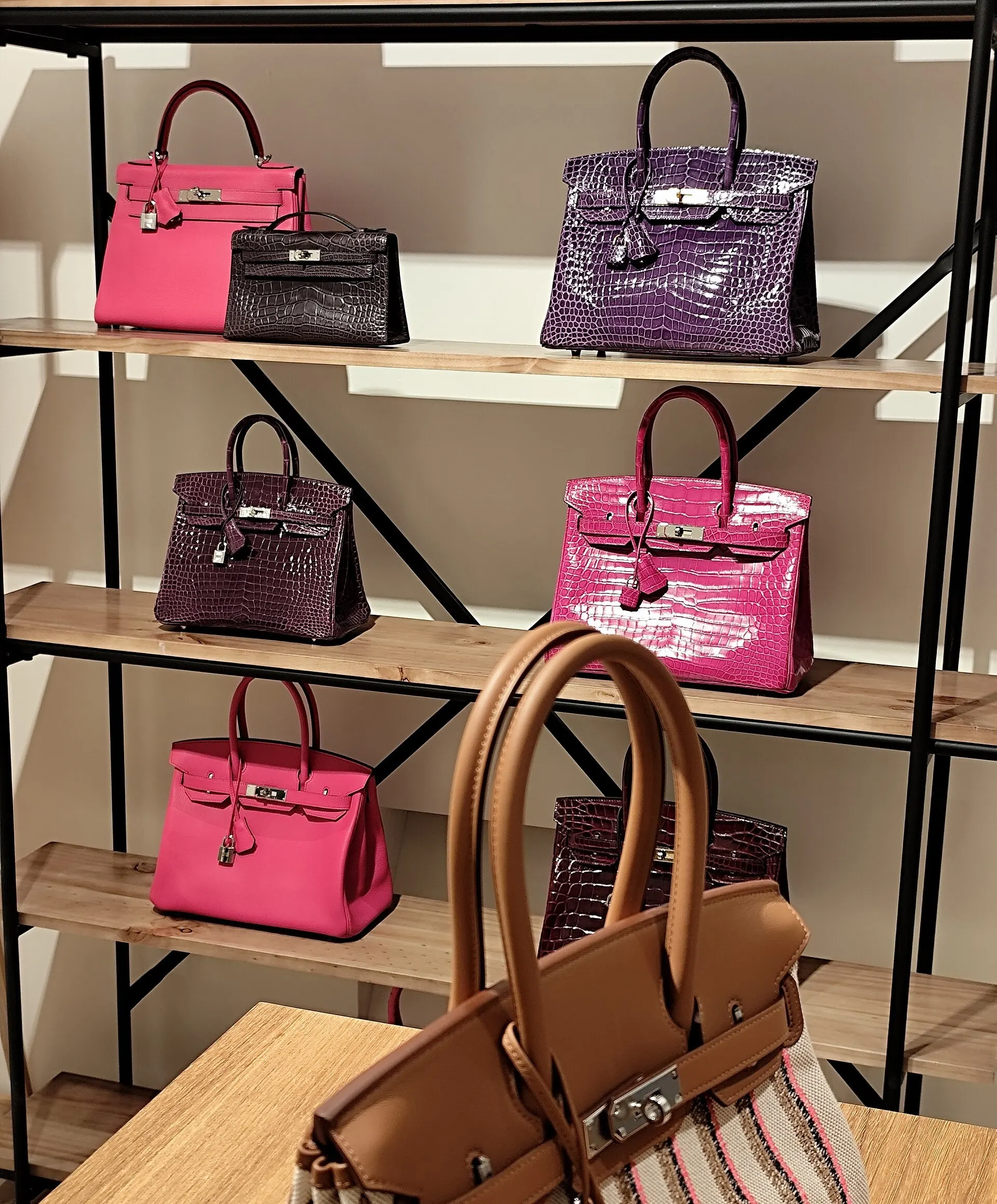
Women's Bags: Leather, Hardware and the Shape That Lasts
Published September 28, 2026
A bag can photograph beautifully and disappoint in a month. How to judge shape, leather, stitching, edges, hardware and lining before you pay, new or used.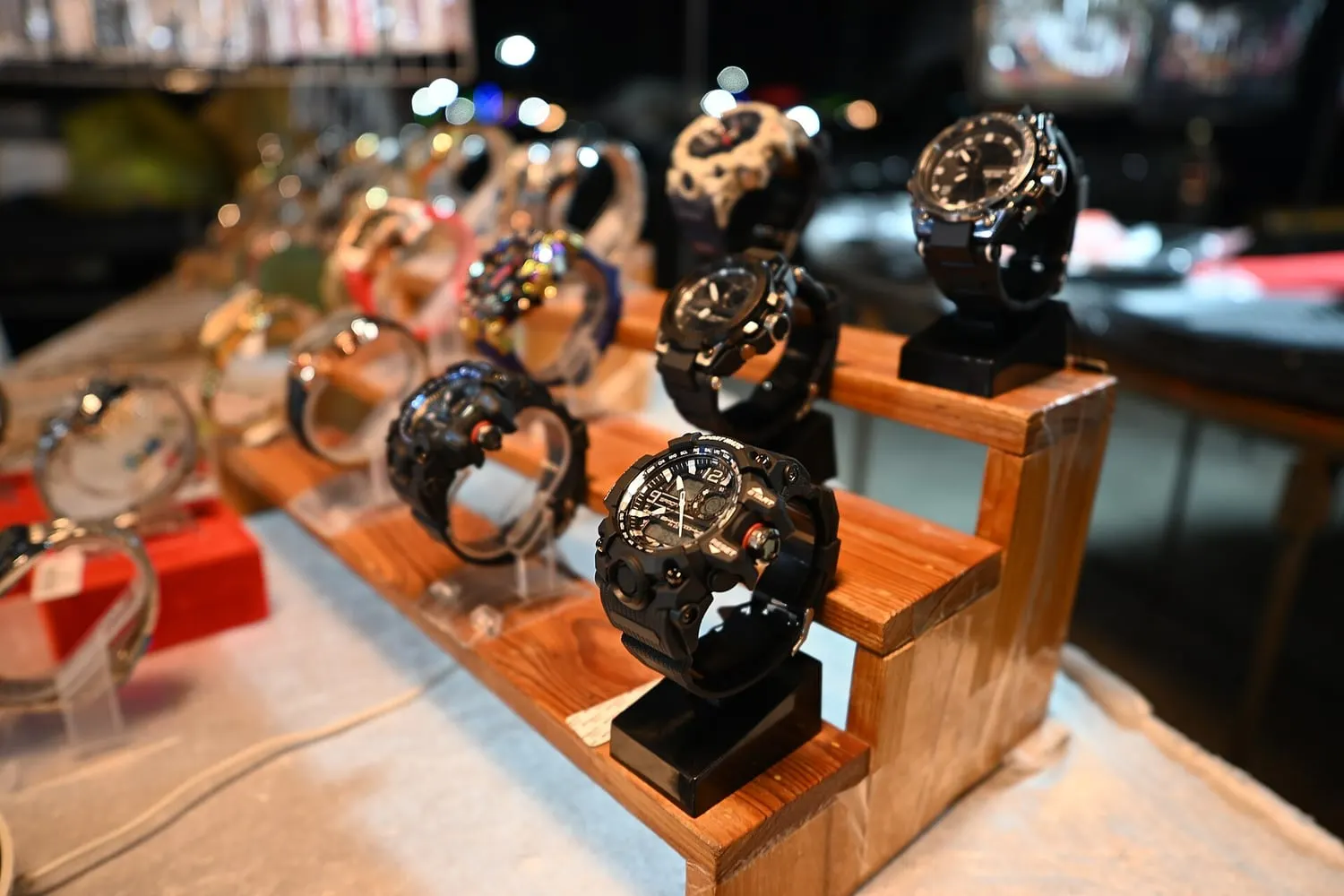
Women's Watches and Bags: Building a Wearable Collection
Published September 26, 2026
A useful watch and bag collection is small: built around your actual week, with ownership costs counted. How to choose, coordinate, store and edit it.Start here
Three guides that cover the questions we are asked most often: what a luxury price actually buys, how to check an object yourself, and what it costs to keep one running.

What a Luxury Price Actually Pays For
Published January 14, 2026
Materials, labor, tooling, distribution and the name: the structure under a luxury price, with real Omega and Seiko numbers, and how to pick what you'll pay for.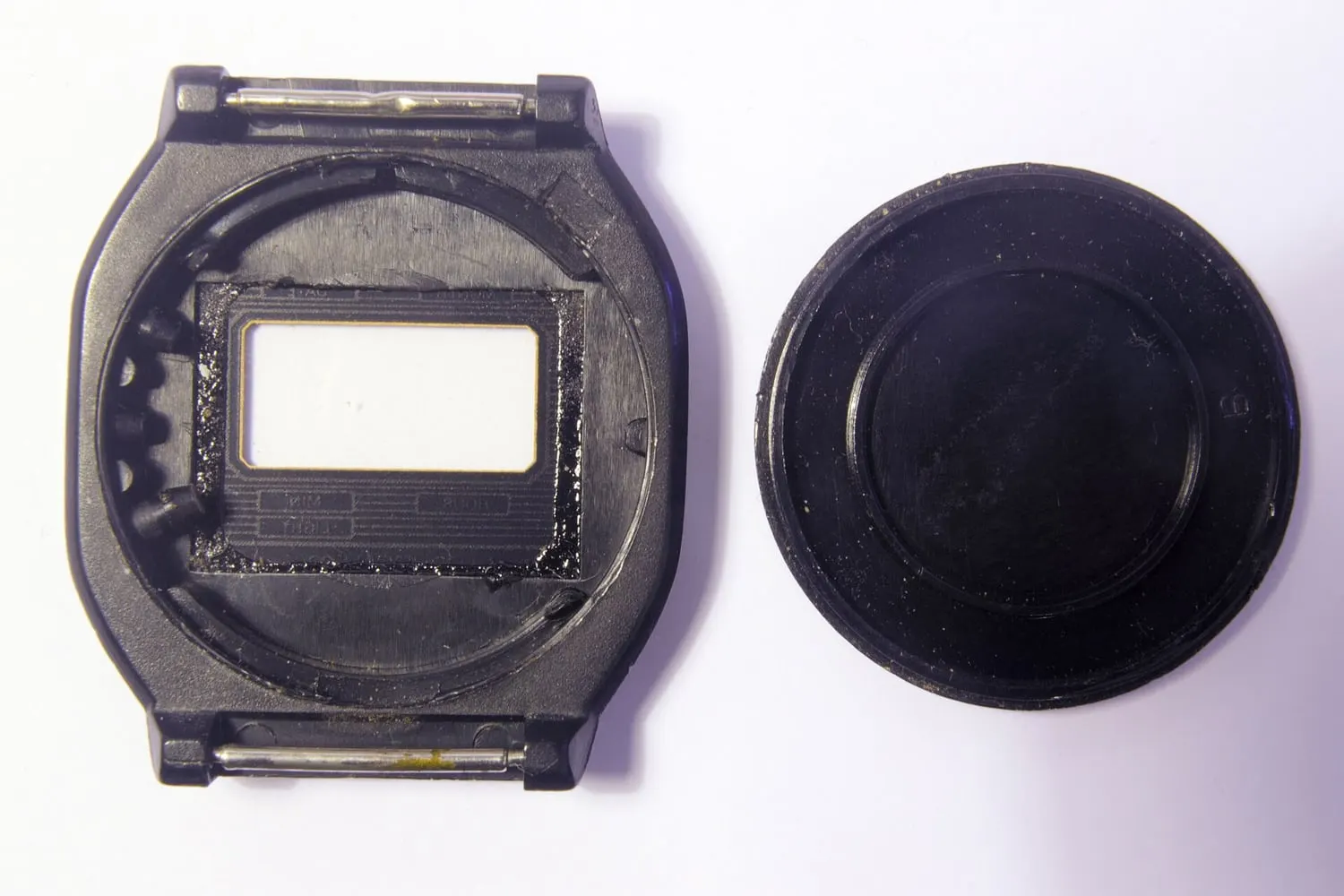
Authenticity Checks You Can Do Yourself
Published May 13, 2026
No single detail proves an object is genuine. Provenance, hidden construction and the seller's behavior filter listings; paid verification settles them.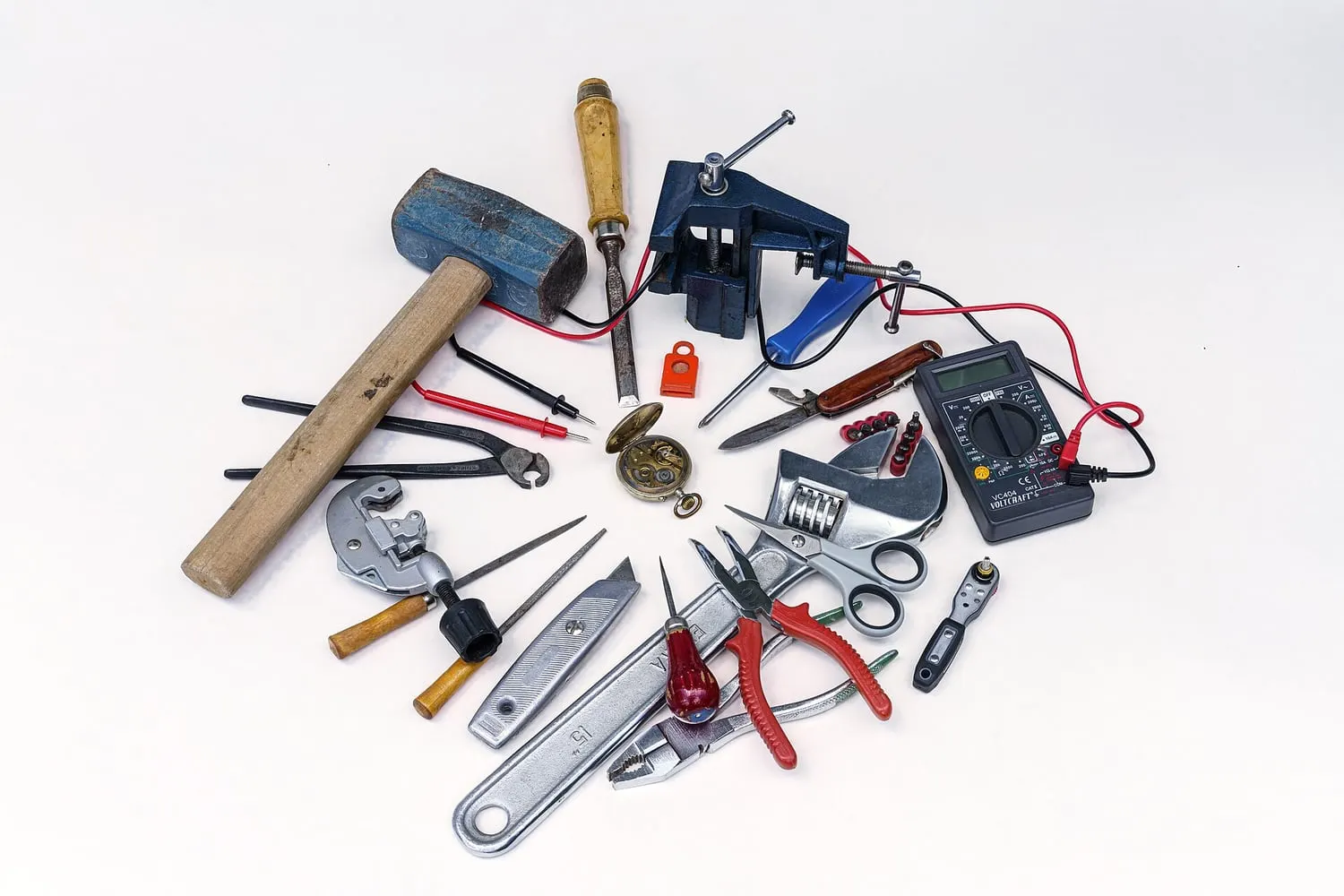
Watch Servicing: Intervals and What It Costs
Published September 8, 2026
What a mechanical service actually involves, when it's due, what drives the bill (with 2026 Omega and Rolex figures), and how to keep control of polishing and parts.Recent guides
The rest of the archive, newest first.
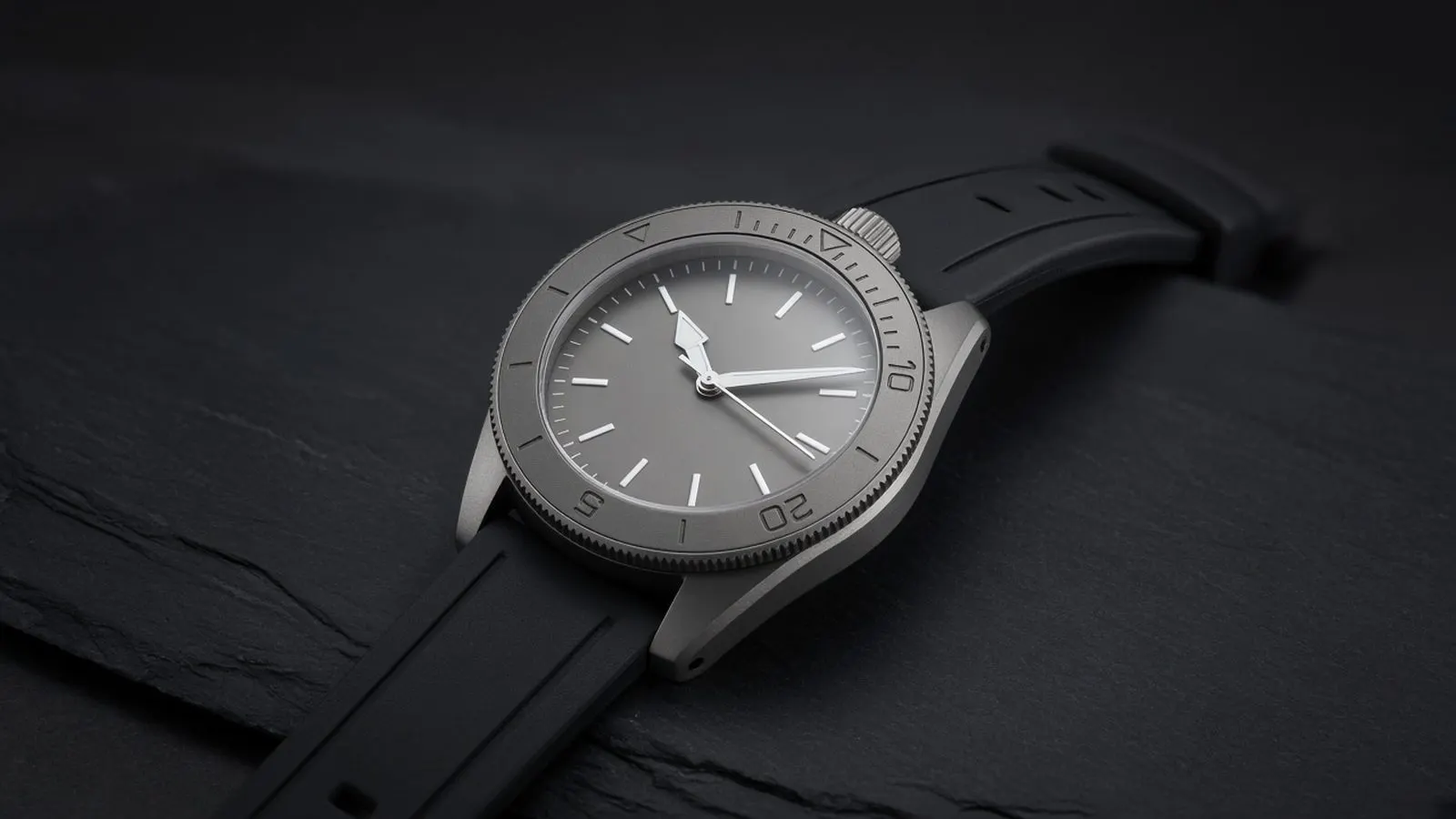
The Marathon GSAR and the Case for Titanium
Published October 21, 2026
Marathon's first regular-production titanium GSAR is 30 percent lighter than the steel version at $2,750. What titanium buys a tool-watch owner, and what it costs in scratches.
Insuring a Watch or Bag: Valuations, Cover and Records
Published October 15, 2026
Contents cover versus scheduled items, replacement versus market value, typical premiums per $1,000, and the records that turn a claim into a formality.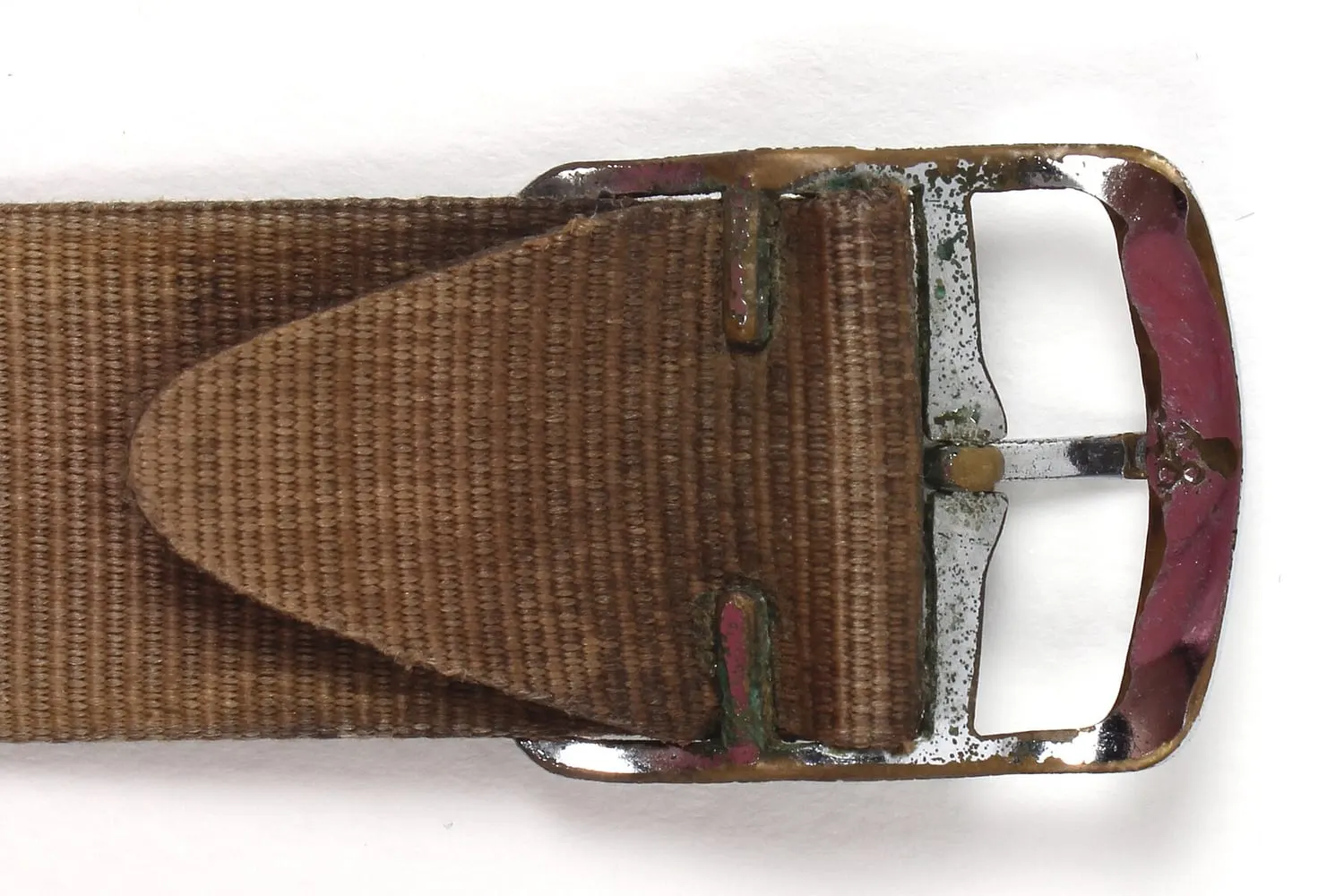
Straps and Bracelets: What Wears First
Published July 12, 2026
Leather, rubber, textile and steel each fail in predictable places. The warning signs, spring bar risks, bracelet sizing and when to replace before the watch hits the pavement.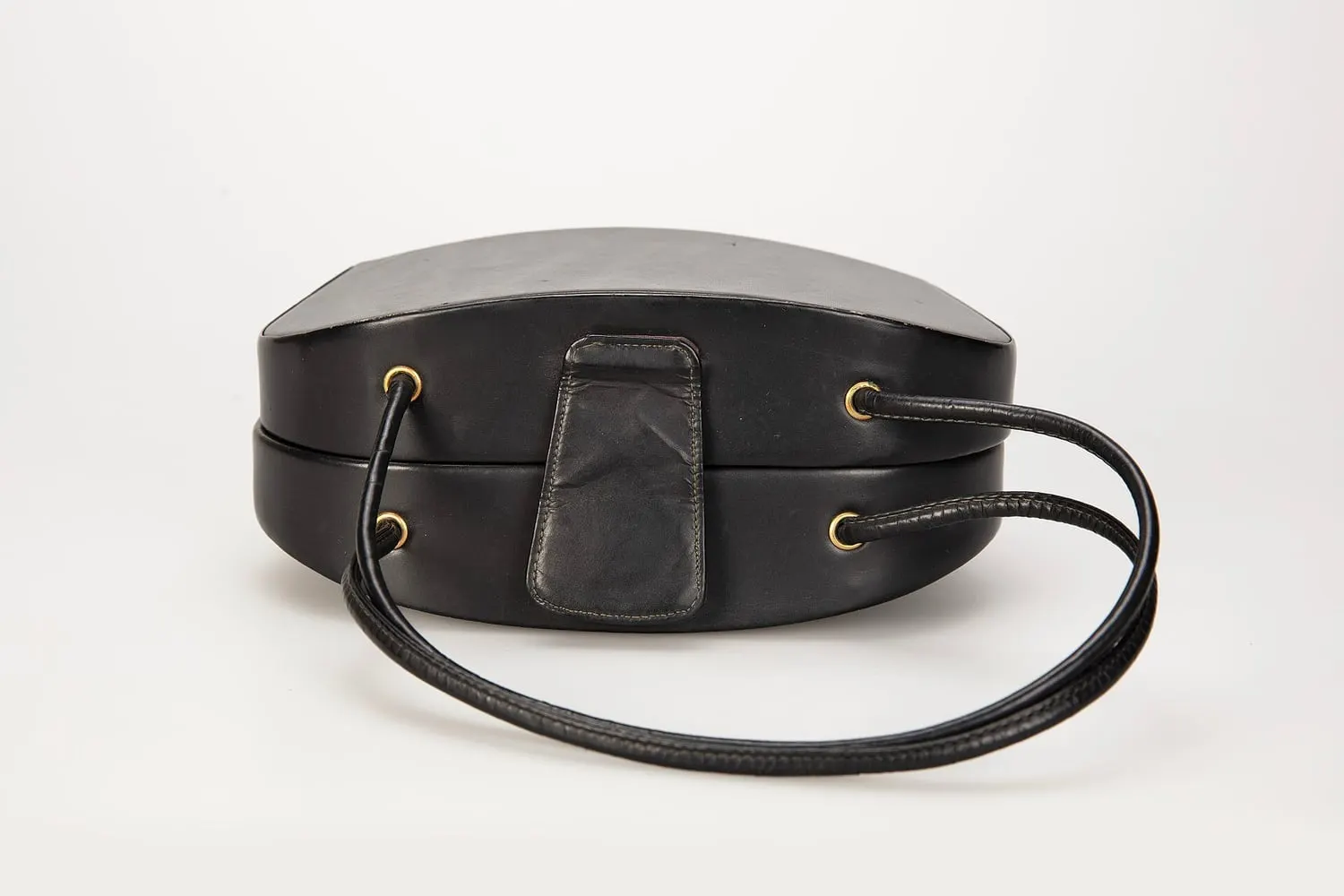
What Holds Value in a Used Bag
Published June 24, 2026
Bags are sold as investments and behave like fashion. Model demand, condition, completeness and scarcity decide resale, shown with real Speedy 30 sales data.Storing Watches, Bags and Leather Goods
Published May 27, 2026
Humidity, light, dust and shape do more damage than missing conditioner. Target numbers, containers that help and hurt, and a routine for a stored collection.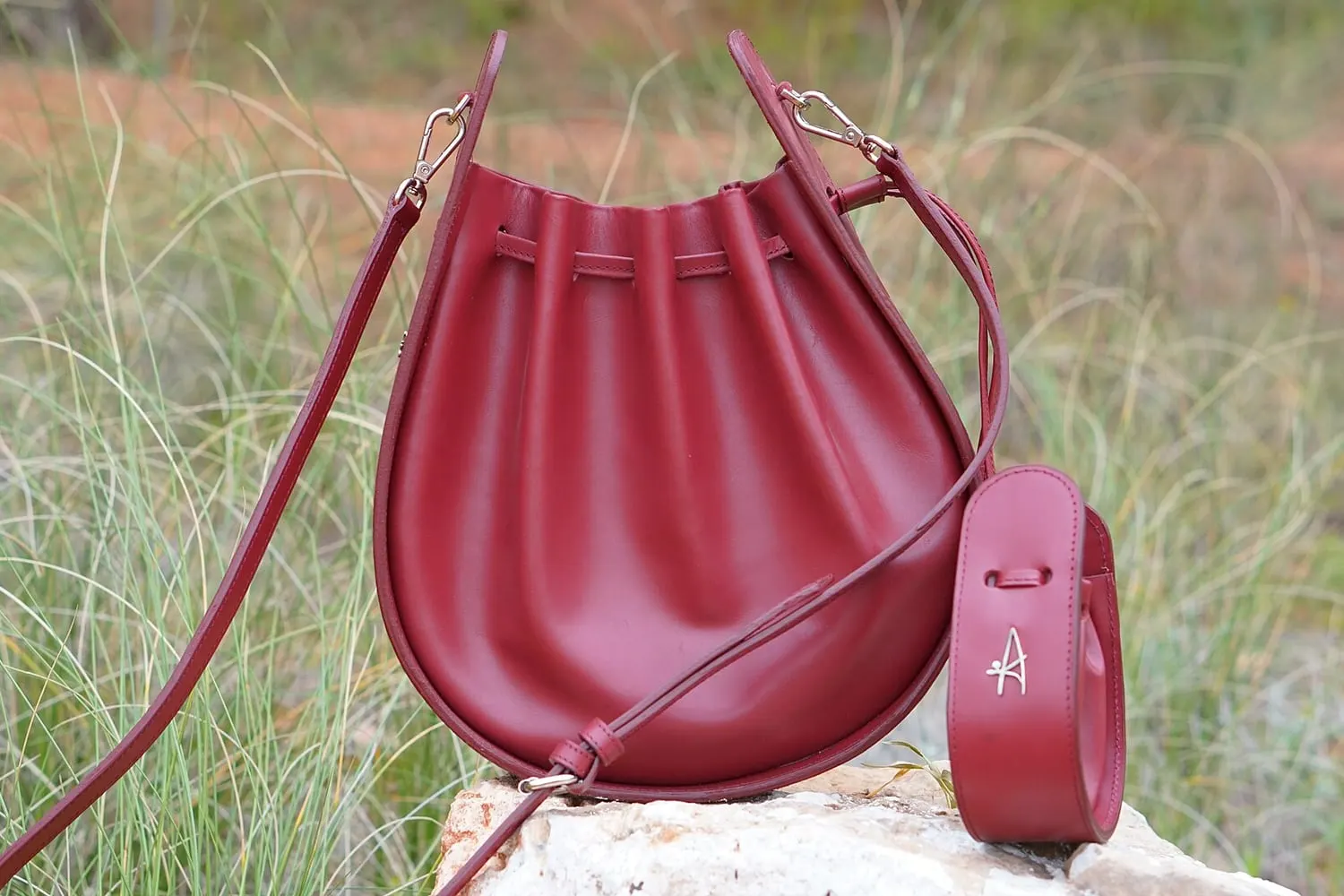
Bag Construction: What Decides How It Wears
Published April 28, 2026
Panel layout, edge finishes, lining attachment and hardware mounting decide how a bag ages. How to check each in minutes, and which faults are structural.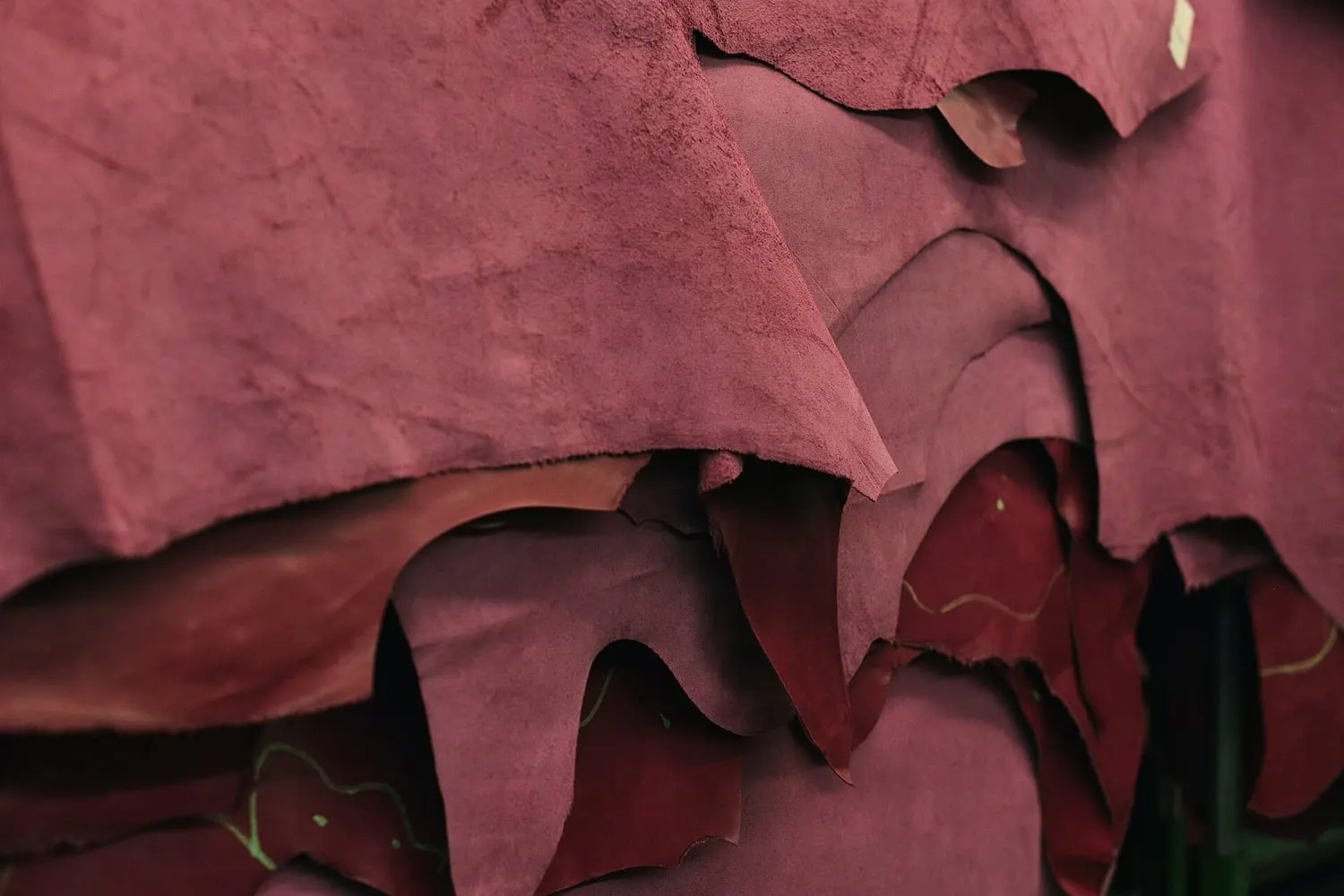
Leather Grades and Finishes Explained
Published April 15, 2026
Grade is which layer of the hide you get; finish is what was put on it. How full-grain, top-grain, split and bonded differ, and what to inspect instead of the label.
Buying a Watch Online: Checks Before You Pay
Published March 30, 2026
Listing photos sell, they don't record condition. Which photos to request, how to read service records and references, and the payment and return terms to insist on.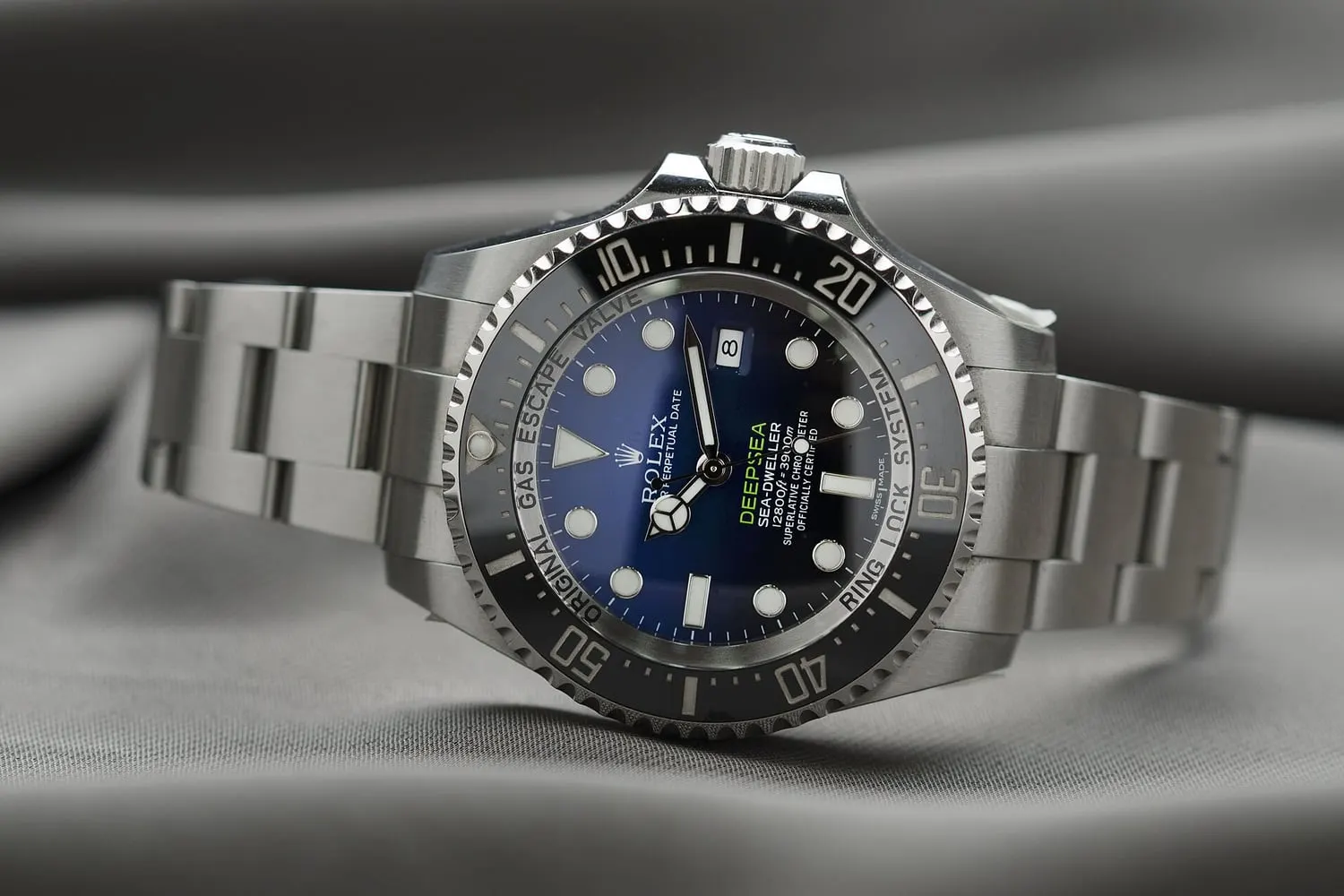
Watch Case and Bracelet Materials Compared
Published March 18, 2026
Steel grades, titanium, gold, plating, ceramic and bronze: how each case and bracelet material wears, ages and costs to repair over years of ownership.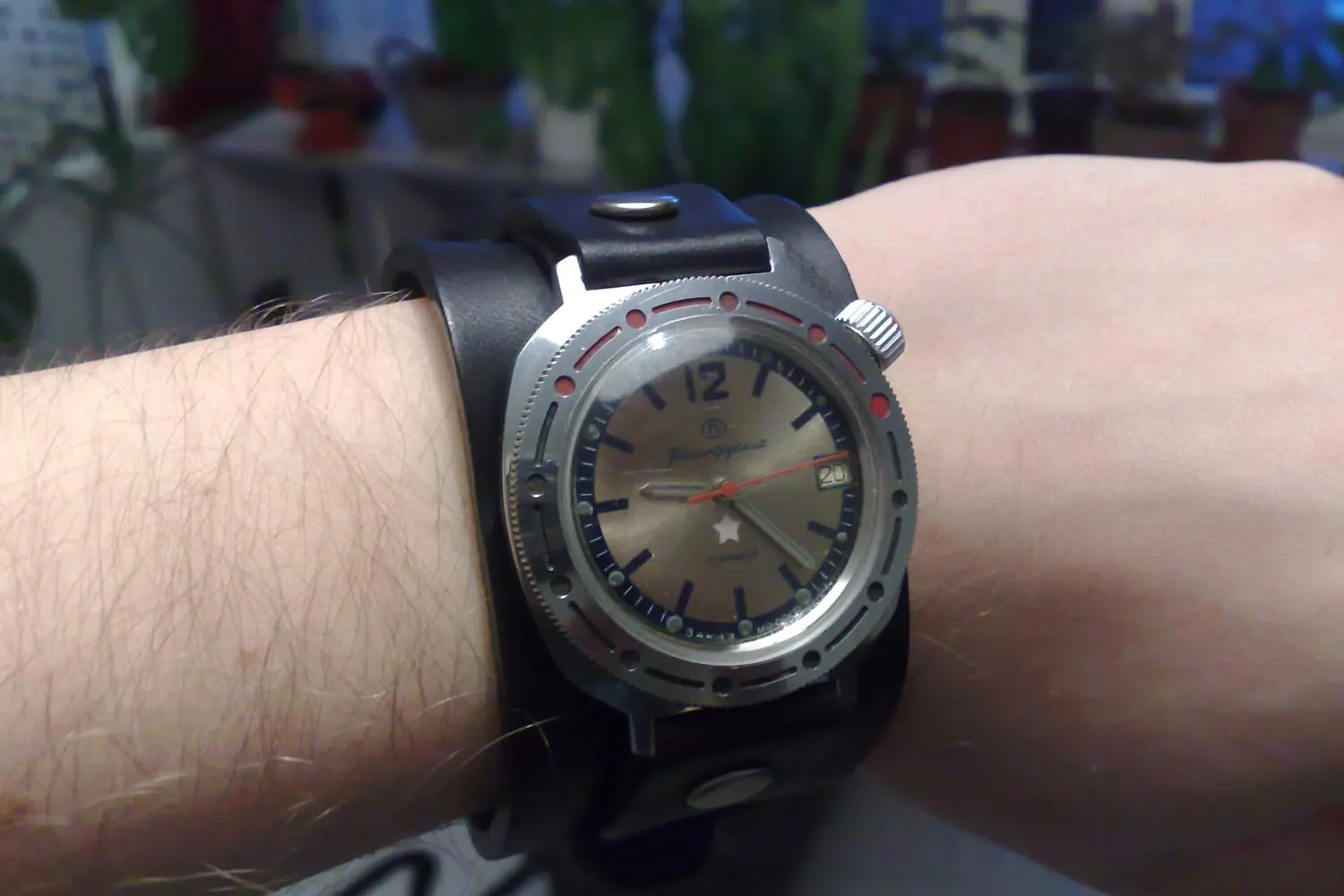
Watch Size and Wrist Fit: Lug to Lug
Published March 4, 2026
Wrist circumference is the least useful number for choosing a watch. Lug-to-lug, curvature, thickness and bracelet articulation decide fit; here's how to check them.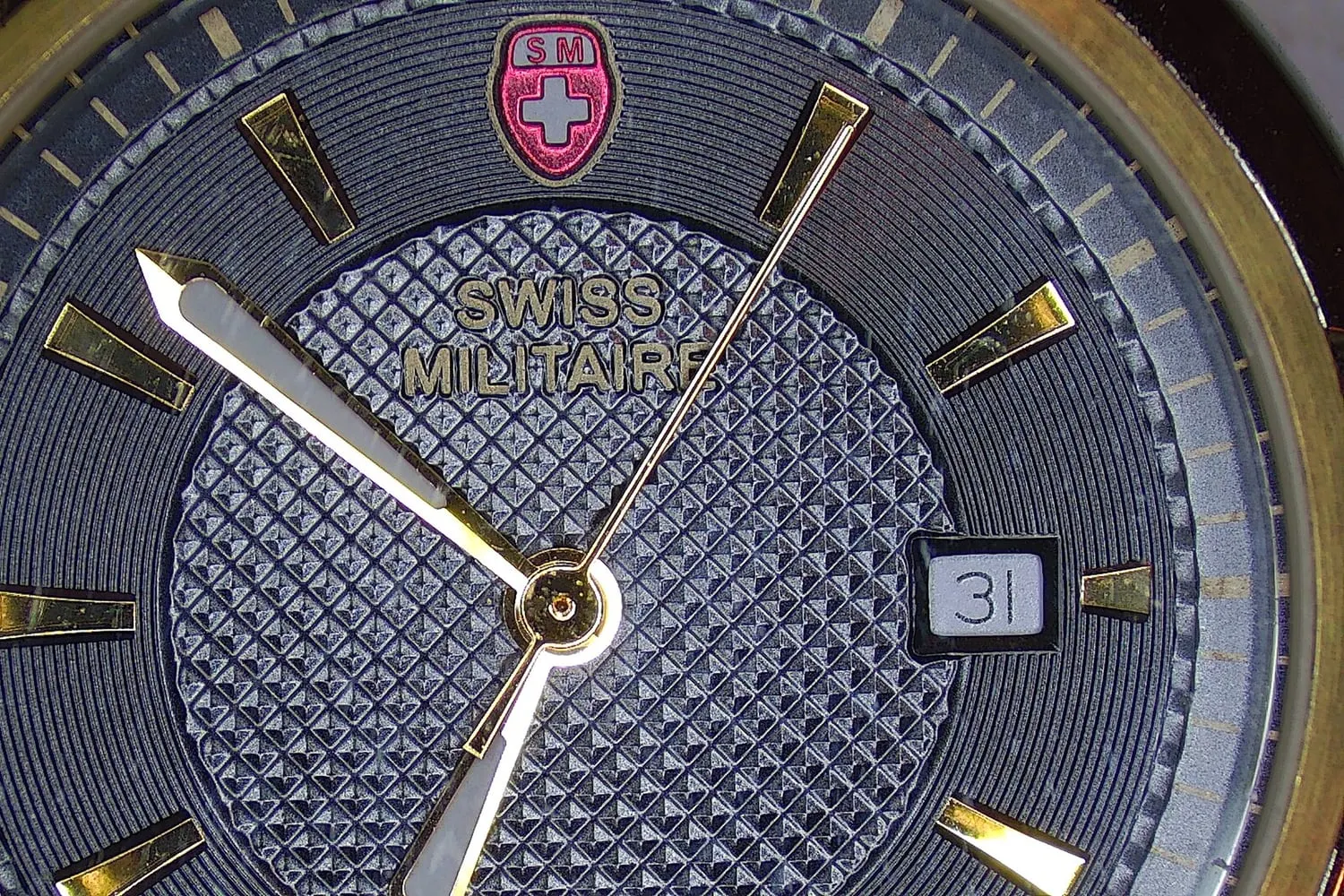
Reading a Watch Specification Sheet
Published February 25, 2026
Most buyers read diameter and brand and stop. How to read lug-to-lug, thickness, water resistance, crystal, movement and bracelet specs, using two real spec sheets.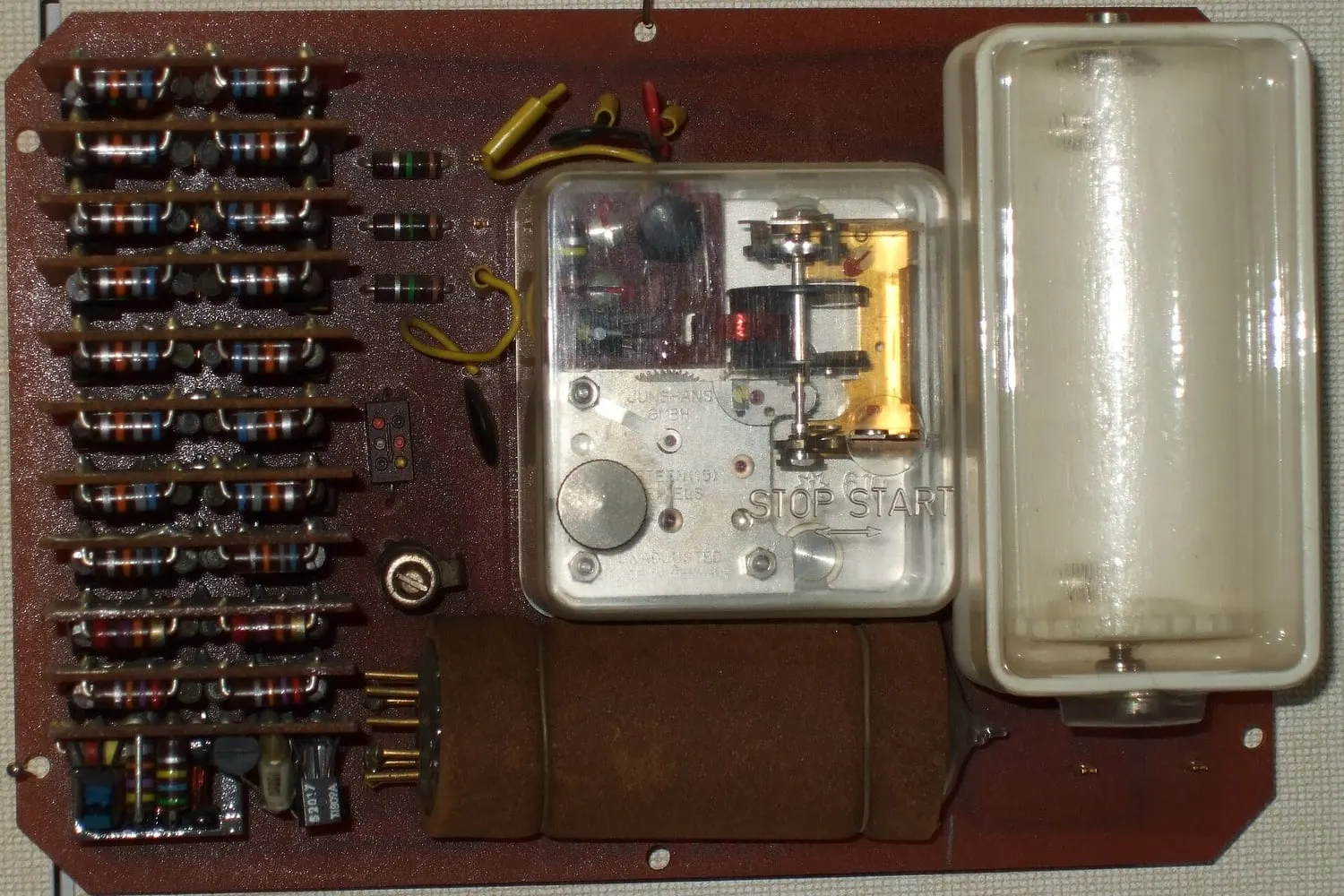
Quartz or Mechanical: What Each Costs to Own
Published February 11, 2026
The purchase price is one number; ownership is a decade of them. Service, batteries, parts and resale costs for quartz and mechanical watches, with worked math.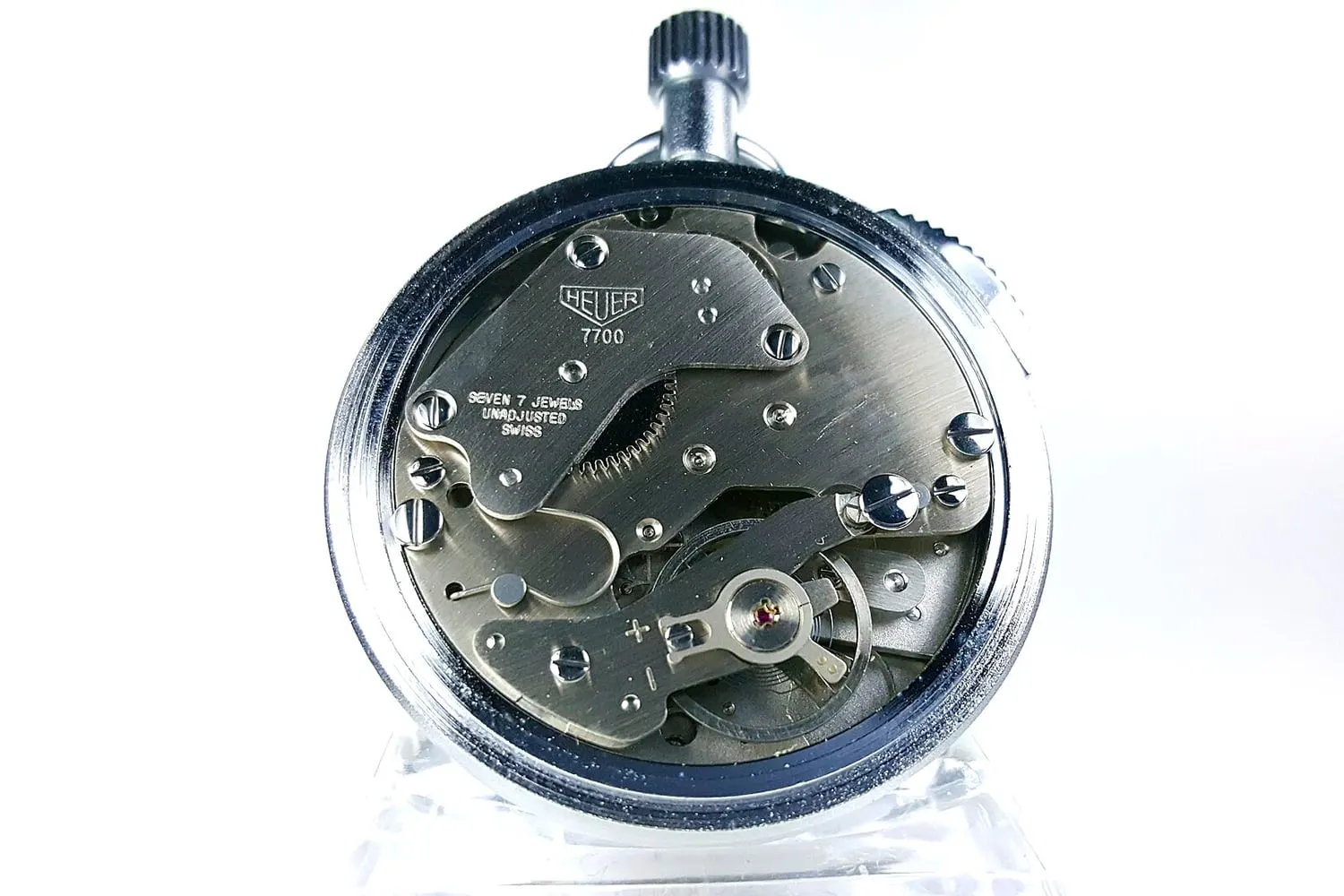
How to Judge a Watch Movement
Published February 4, 2026
Quartz, hand-wound and automatic movements each cost something different to own. What the specs and visible finishing tell you, and why serviceability matters most.