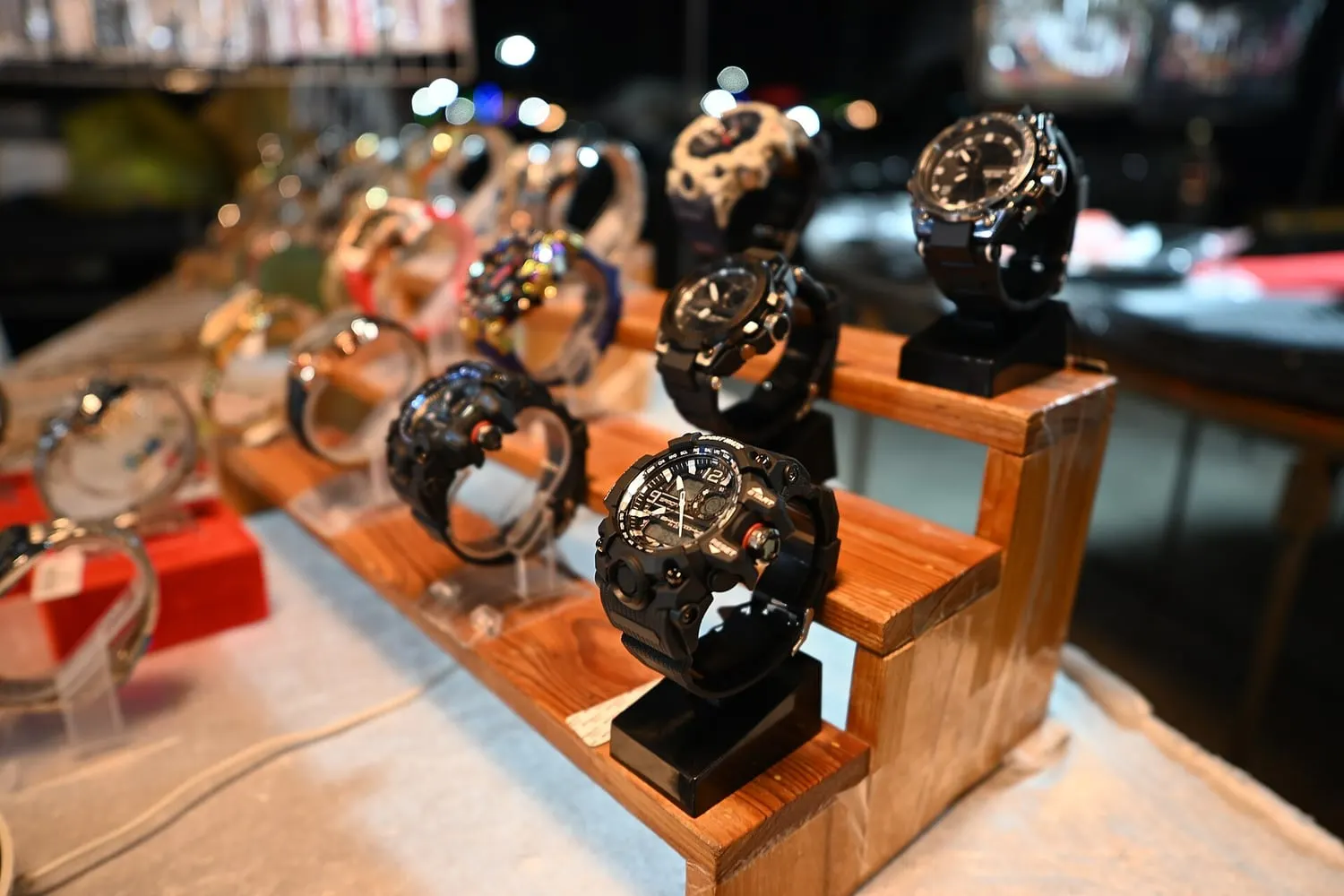
The most useful watch and bag collections are rarely the biggest. They’re built around a few pieces that suit how their owner lives: a watch that works under a cuff, a bag that carries the daily load, and alternatives for evenings, travel and weather.
Buying one excellent object at a time usually beats filling gaps with compromises. You’re not completing a uniform. You’re making each piece easy to wear and simple to maintain.
Start with the week you already have
List the situations that repeat. Work, school, travel, dinners, weekends and wet weather are more useful categories than “formal” and “casual.”
For watches: do you need to read the time in low light, use a date, wear it at a laptop, take it near water? For bags: what’s the largest thing you carry, do you need a shoulder or cross-body strap, does it have to fit a locker, go under a seat or over a coat?
The list shows which pieces will earn their place. A delicate dress watch and a structured mini bag may be beautiful, but neither handles a commute in heavy rain.
Choose a foundation watch
The first watch should be comfortable enough to forget. Look for a case that stays on the wrist, a clear dial and a serviceable movement. Stainless steel is the most forgiving case material, and a 50 or 100 m rating is more useful than a decorative caseback.
A neutral dial and a strap or bracelet in a color you wear often make it easy to repeat. For a second watch, change the function, not just the color: a tougher sports watch, a smaller evening piece, or a complication you’ll actually use. The floor for a functional backup is low; a Casio F-91W runs about $22–$24 on Amazon (Oct 2026) and its battery is rated for about seven years.
Build bags around carrying routes
A bag has to work at three moments: packing, carrying and setting down. Fail one and it stays home.
Start with one everyday bag with a stable base, comfortable strap and a one-hand closure. Add a smaller bag only if it holds your essentials without forcing. Judge a travel bag full, and by how easily it moves through an airport or train.
Neutrals aren’t required, but they combine, repair and resell more easily. Save the strongest color for the piece you’ll enjoy most often.
Coordinate without matching
Watch and bag don’t need identical hardware or leather. They need a shared level of formality and a general direction.
A slim gold watch sits naturally with a polished top-handle bag; a steel sports watch suits a practical cross-body. Black, brown and burgundy leather can mix when finishes and scale relate, and the combination looks intentional when surfaces echo instead of compete.
Scale matters. A huge tote can swamp a delicate bracelet watch, and a tiny evening bag makes a chunky sports watch look out of place. Check the two together in a mirror before deciding a purchase fills a gap.
Keep ownership costs visible
Watches need servicing, gaskets and eventually new straps or bracelets. Bags need edge care, hardware checks and conditioning when the finish asks for it. Put numbers on it before buying:
| Item | Typical cost (Oct 2026) | Source |
|---|---|---|
| Quartz Omega service | $350–$450 official, $150–$300 independent | watchscanning.com |
| Automatic Omega service | $850–$1,200 official, $700–$1,000 independent | watchscanning.com |
| Rolex service interval | About every 10 years | rolex.com |
| Insurance (watch or jewelry) | About 1–2% of value per year | Jewelers Mutual, BriteCo |
Ask who can service it, whether parts stay available and whether the maker restricts independent repairers. A low purchase price isn’t a bargain if the first repair has no practical route.
Rotate, store and edit
Keep watches away from damp and direct sun, and stop bracelets and cases from touching. Stuff bags lightly to hold shape, and store leather in a dust bag, not sealed plastic.
Rotate often enough to catch loose screws, stretched straps, cracking edge paint or failing plating before they get expensive. Once a year, take everything out and ask whether it still fits your routine. A piece that’s uncomfortable, unrepaired or never chosen is better sold than stored forever.
A small collection can be complete
One everyday watch, one weather-proof alternative, one daily bag and one smaller bag for evenings or travel covers most of life without turning ownership into admin.
Choose objects you can wear, maintain and repair. The best collection isn’t the one with the most recognizable names; it’s the one where every piece has a reason to be used.